Lawn grubs have become one of the most frustrating lawn problems in Surrey, BC — and effective Surrey grub control has become a major concern for homeowners. Crows, raccoons, and skunks ripping up turf, big loose patches that roll up like a carpet… that’s almost always grub damage. Many homeowners have spent thousands redoing their lawn, only to have the problem return a year or two later.
Here’s a clear overview of what’s going on, why it keeps happening in Surrey, and how a properly timed Acelepryn-based program can help get things under control — or prevent it entirely.
What are "Lawn Grubs" in Surrey?
In the Lower Mainland, when we talk about “grubs,” we’re usually referring to the larvae of European chafer beetles – an invasive species that has spread across Metro Vancouver over the past 20+ years.
The adult beetle is a tan-coloured scarab about 1–1.5 cm long.
The grubs are white, “C-shaped” larvae with brown heads, up to about 2.5 cm long, living in the top few centimetres of soil.
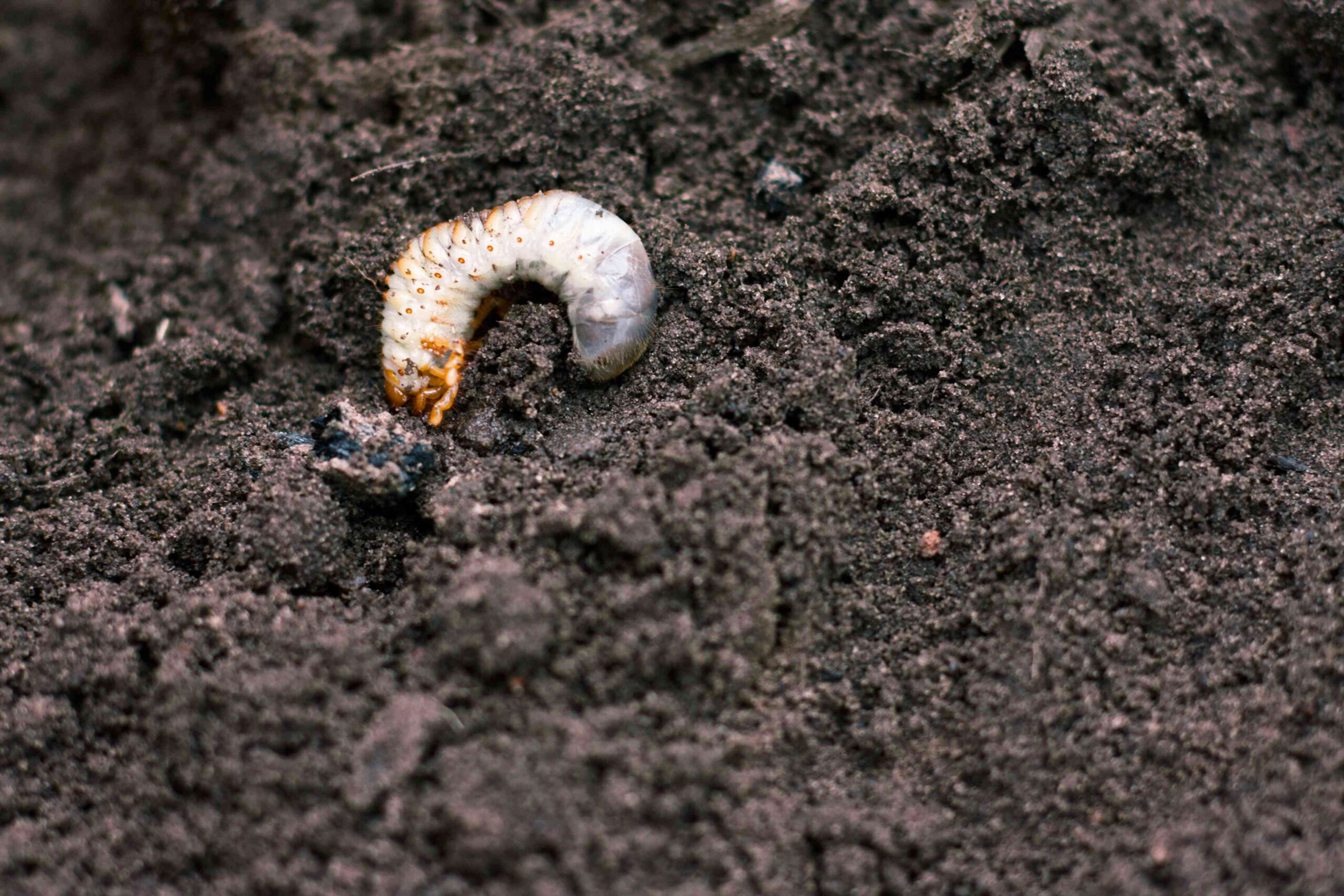
These grubs feed on grass roots, weakening or killing the turf. Then birds, raccoons, and other animals move in to dig them out — which is when lawns often look completely destroyed.
Typical signs you’ve got grubs
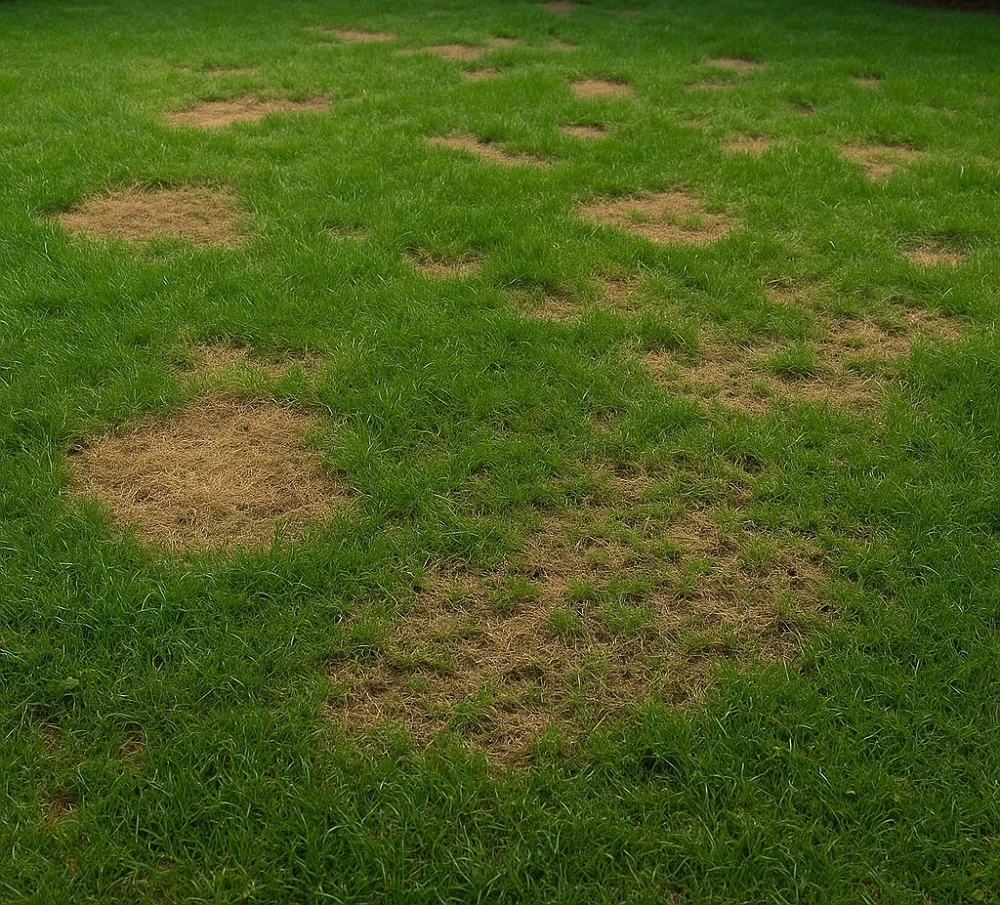
- Patches of lawn that turn brown or thin out in late summer, fall, or early spring
- Turf that feels spongy or peels back easily like sod
- Large areas torn up by crows, raccoons, or skunks
- More than ~5–10 grubs found in a 30 × 30 cm section of turf
Why grubs are such a problem in Surrey
A few local factors make Surrey lawns especially vulnerable:
Ideal climate and soils
The mild, wet coastal climate allows grubs to feed for long periods in fall and spring.
Perfect egg-laying conditions
Adult beetles prefer lush, irrigated lawns — exactly what most Surrey properties have.

A repeating one-year cycle
- June–July: Adult beetles emerge and lay eggs
- Summer–Fall: Grubs feed aggressively on roots
- Spring: Grubs feed again before emerging
If nothing interrupts this cycle, lawns get hit year after year.
Where Acelepryn fits in
What is Acelepryn?
Acelepryn® is a professional-grade turf insecticide (active ingredient: chlorantraniliprole) designed to control:
- European chafer grubs
- Crane fly larvae
- Cutworms and other turf pests
It’s widely used because it offers targeted control with a strong safety profile when applied properly by licensed professionals.
Surrey Grub Control: Timing Acelepryn Correctly
Here's where most homeowners — and even some contractors — get it wrong.
Acelepryn is primarily a preventative treatment.
It works best when applied just before or during egg hatch, not months earlier.
In Surrey, that means:
For effective Surrey grub control, early June is the most important application window. While early June is the sweet spot, Acelepryn can also be effectively applied from late May - September.
This aligns with:
- Beetles beginning to lay eggs
- Eggs starting to hatch into young grubs
Young grubs are the most vulnerable stage — and that's when Acelepryn is most effective. Proper Surrey grub control depends heavily on timing, not just treatment.
Spring vs. Summer Applications (What actually works)
Spring (April–May):
- Can reduce some overwintering grub activity
- May help with current visible damage
- But does NOT reliably prevent the next generation
Summer (June - Sept):
- Targets new grubs at the ideal stage
- Provides season-long protection
- This is the most important application of the year
Our approach: Install now, protect at the right time
In Surrey, a very common situation is:
- Lawn is destroyed over winter
- Homeowner wants it fixed in spring
- But grub treatment timing isn’t ideal until June
Instead of delaying the project, the best approach is:
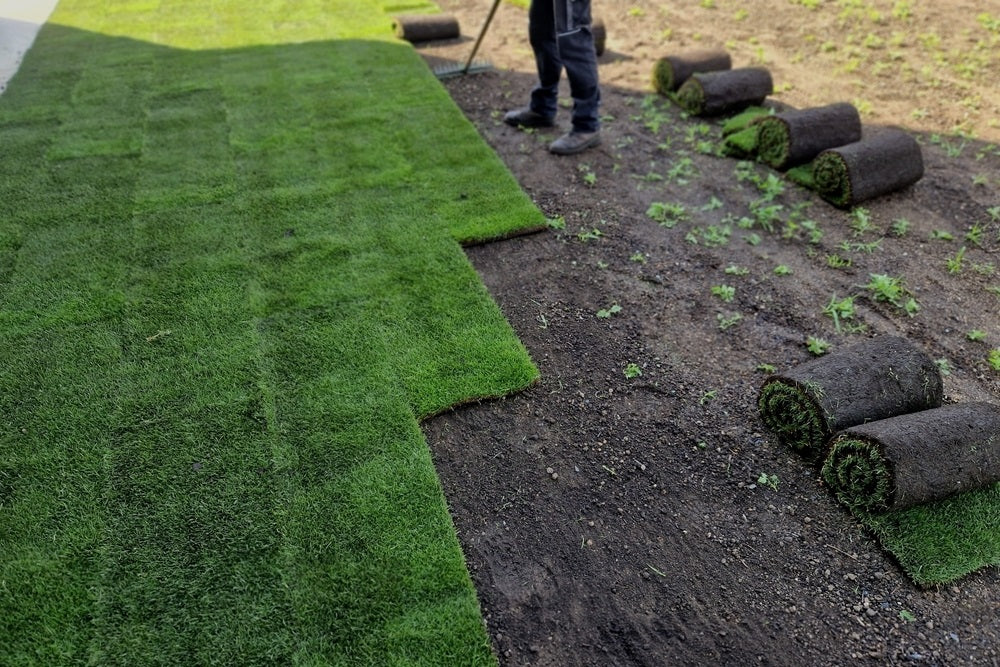
Step 1: Spring lawn repair (April–May)
- Remove damaged turf
- Install fresh soil
- Lay new sod or seed
Step 2: Establishment period (May)
- Allow roots to develop
- Maintain watering and basic care
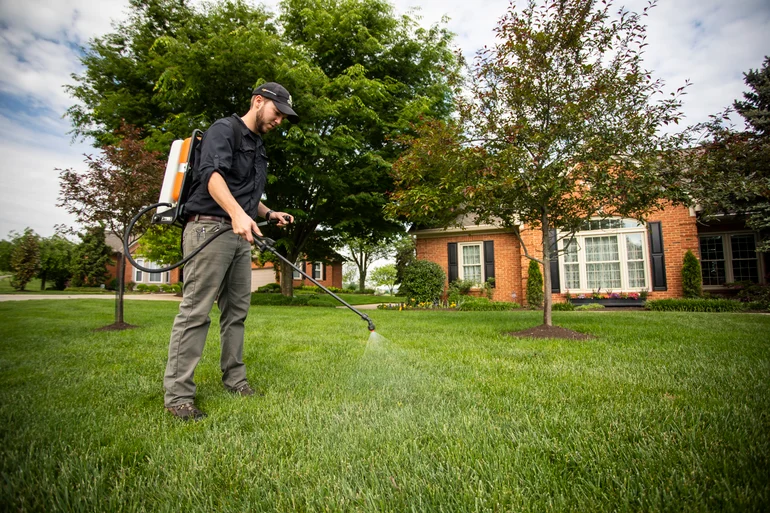
Step 3: Preventative treatment (Early June)
- Apply Acelepryn at the correct biological timing
- Protect the new lawn going into peak beetle season
This approach gives you:
- The best installation conditions
- The most effective grub prevention timing
Is there a risk between install and treatment?
There is a short window before treatment, but in practice:
- Risk is low through May
- The main risk begins mid-June onward (beetle activity)
As long as treatment is scheduled early June, this approach works very well.
For higher-risk properties, additional precautions (like close monitoring or temporary deterrents) can be discussed, but most lawns do not require extreme measures.

Why a program approach works best
Grubs are not a one-time problem in Surrey — they are a recurring pressure from surrounding areas.
A structured program helps by:
- Aligning treatment with the beetle lifecycle
- Keeping populations consistently low
- Preventing the cycle from re-establishing
Supporting your lawn long-term
Additionally, even with treatment, good lawn practices make a big difference:
- Mow higher (7–8 cm) to promote deeper roots
- Water deeply but less frequently
- Fertilize appropriately
- Overseed with more resilient blends (e.g. tall fescue)
We include fertilizing and overseeding support with our treatment programs to help strengthen the lawn long-term.
Surrey Grub Control: What Homeowners Need to Know
- European chafer grubs are the main cause of lawn damage
- The problem is widespread and recurring in the Lower Mainland
- Timing matters more than anything else when it comes to treatment
- A spring install + early June Acelepryn application is one of the most effective strategies available
With the right approach, you can break the cycle — and keep your lawn green, dense, and intact year after year.